
ශ්රී ලංකාවට අනන්ය වූ වටිනා සම්ප්රදායික වෛද්ය දැනුම් පද්ධතියක් ලෙස History of Deshiya Chikithsa (Hela Vedhakama) හඳුන්වා දිය හැකිය. පරම්පරාවෙන් පරම්පරාවට සම්ප්රේෂණය වූ දේශීය ඖෂධ දැනුම, ප්රතිකාර ක්රම, ආහාර හා ජීවන රටා පිළිබඳ අවබෝධය මෙන්ම ස්වභාවික සම්පත් පිළිබඳ දැනුම ද මෙහි අන්තර්ගත වේ.
දේශීය චිකිත්සාව ශ්රී ලංකාවේ සමාජ හා සංස්කෘතික ඉතිහාසය සමඟ සමීපව බැඳී පවතින අතර, ජනතාවගේ සෞඛ්ය හා යහපැවැත්ම සඳහා දීර්ඝ කාලයක් පුරා භාවිත වූ දැනුම් සම්ප්රදායකි. එය හුදෙක් රෝගයකට ප්රතිකාර කිරීමකට සීමා නොවී, ශරීරය, මනස, ආහාර, ජීවන රටාව සහ පරිසරය අතර සමතුලිතතාවය පිළිබඳ පුළුල් අවබෝධයක් මත පදනම් වේ.
දේශීය චිකිත්සාවේ ඓතිහාසික පසුබිම
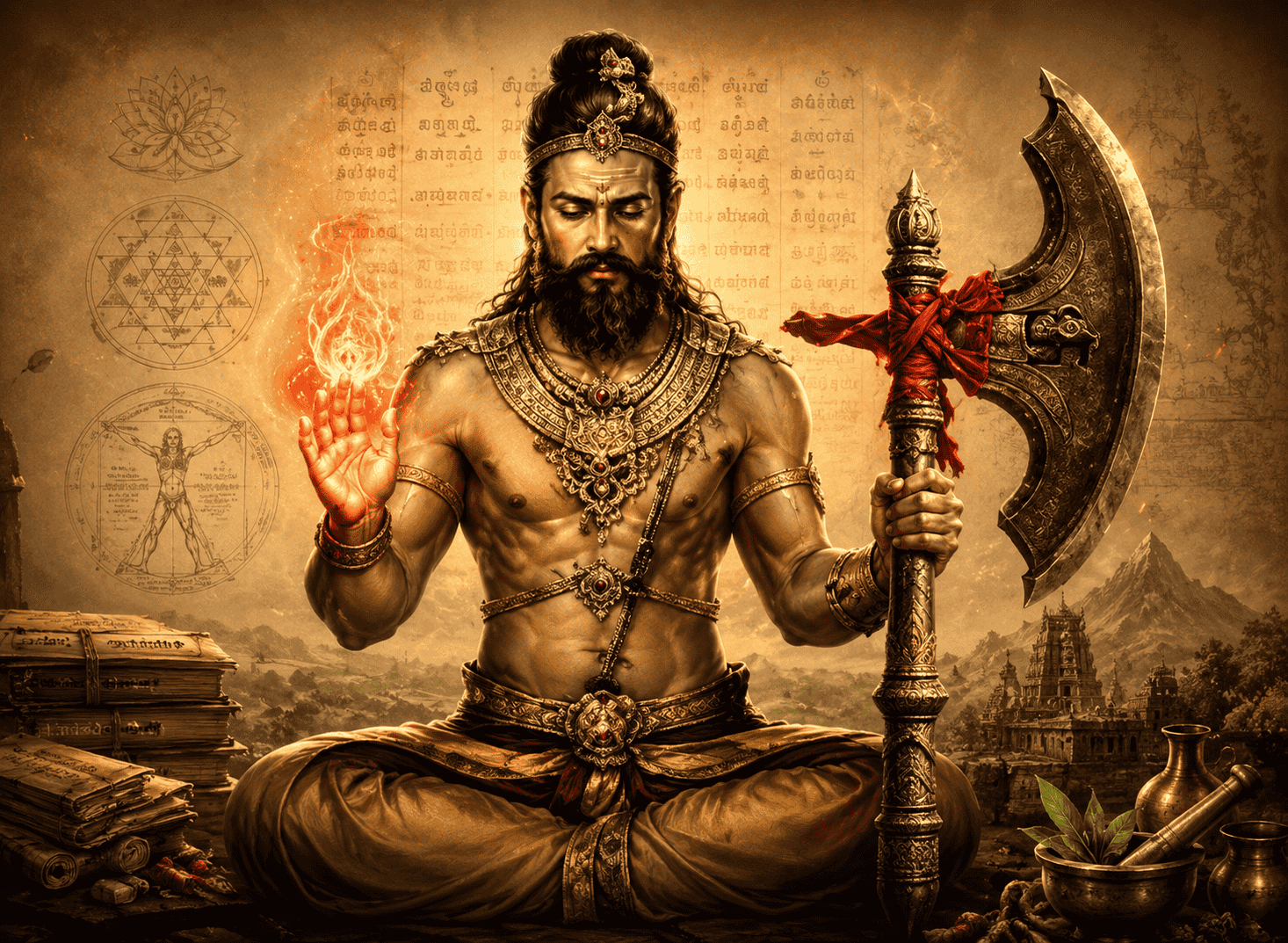
මානව ශිෂ්ඨාචාරයේ ආරම්භයේ පටන් ලොව පුරා විවිධ රටවල ඒ ඒ රටට ආවේණික වෛද්ය ක්රම බිහිවී විකාශනය වී ඇත. එසේම විවිධ රටවල වෛද්ය ක්රම සංකලනය වීමෙන් නව වෛද්ය ක්රම සම්ප්රදායන් ද බිහිවීමට හේතුවී ඇත. භාරතීය ආයුර්වේදයට තරමක් දුරට සමානකම් දරණ එහෙත් හෙළ දිව නිර්මාණය වී විකාශනය වූ වෛද්ය ක්රමය දේශීය චිකිත්සාව, හෙළ වෙදකම හෝ පාරම්පරික වෙදකම ලෙස හඳුන්වයි. දේශීය චිකිත්සාවේ ආරම්භය කෙසේ සිදුවුණිද යන්න නිශ්චිතව පැවසිය හැකි නොවූවද ඉපැරණි මූලාශ්රවලට අනුව භාරතයේ හිමාල අඩවියෙහි පැවති සෘෂි සම්මේලනය සඳහා හෙළ දිව නියෝජනය කරමින් ත්රිවේද පරප්රාප්ත පුලස්ථි සෘෂි වරයා සහභාගී වූ බව ප්රකාශ වේ.
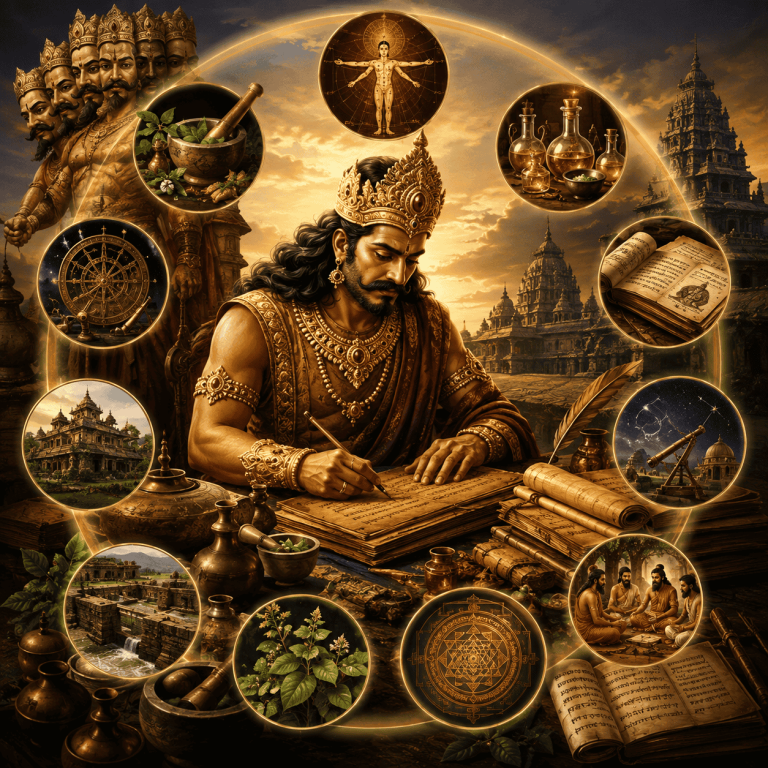
The Helas succeeded in preserving the Hela Vedakam, which dates back to the Pulasti Irshi era, through oral tradition. Hela Vedakama, which was at its peak (According to historic Sources) during the reign of King Ravana, has been instrumental in dispelling the fear of diseases of the Helas and making them grow as a proud nation.
King Rawana is considered to be the grandson of Pulasthi Srishi. He is considered as a Piler of Knowledge for he was versed in “Hela vedakama”, “Guptha Shasthra” and “Rasa Shasthra”. He has also authored several books including “Nadi-tantra”, “Kumara-tantra”, ”Udeesha-tantra” and “Arka-prakasha”. Some pamphlets state that in the time of Ravana, medicines were used extensively to improve the capacity of memory of the people. Considering the information contained in the ancient epics such as Ramayana and Mahabharata, the community lived in ancient Hela Diva was endowed with various knowledge systems such as Mathematics, Architecture, Botany, Medicine, Mysticism, Irrigation and Astronomy.
ශ්රී ලංකාවේ සම්ප්රදායික වෛද්ය දැනුමට ඉතා දිගු ඉතිහාසයක් පවතී. පුරාණ ශ්රී ලංකාවේ රජවරුන්ගේ සමයේ සිටම ජනතාවගේ සෞඛ්ය ආරක්ෂාව සඳහා වෛද්ය සේවා හා ප්රතිකාර ක්රම පැවති බවට ඓතිහාසික සාධක හමුවේ.
පුරාණ ශ්රී ලංකාවේ රෝහල්, ඖෂධ උද්යාන, ඖෂධ සැකසීමේ ස්ථාන සහ සෞඛ්ය සේවා ආශ්රිත ව්යුහයන් පිළිබඳ තොරතුරු පුරාවිද්යාත්මක හා සාහිත්ය මූලාශ්රවලින් හඳුනාගත හැකිය.
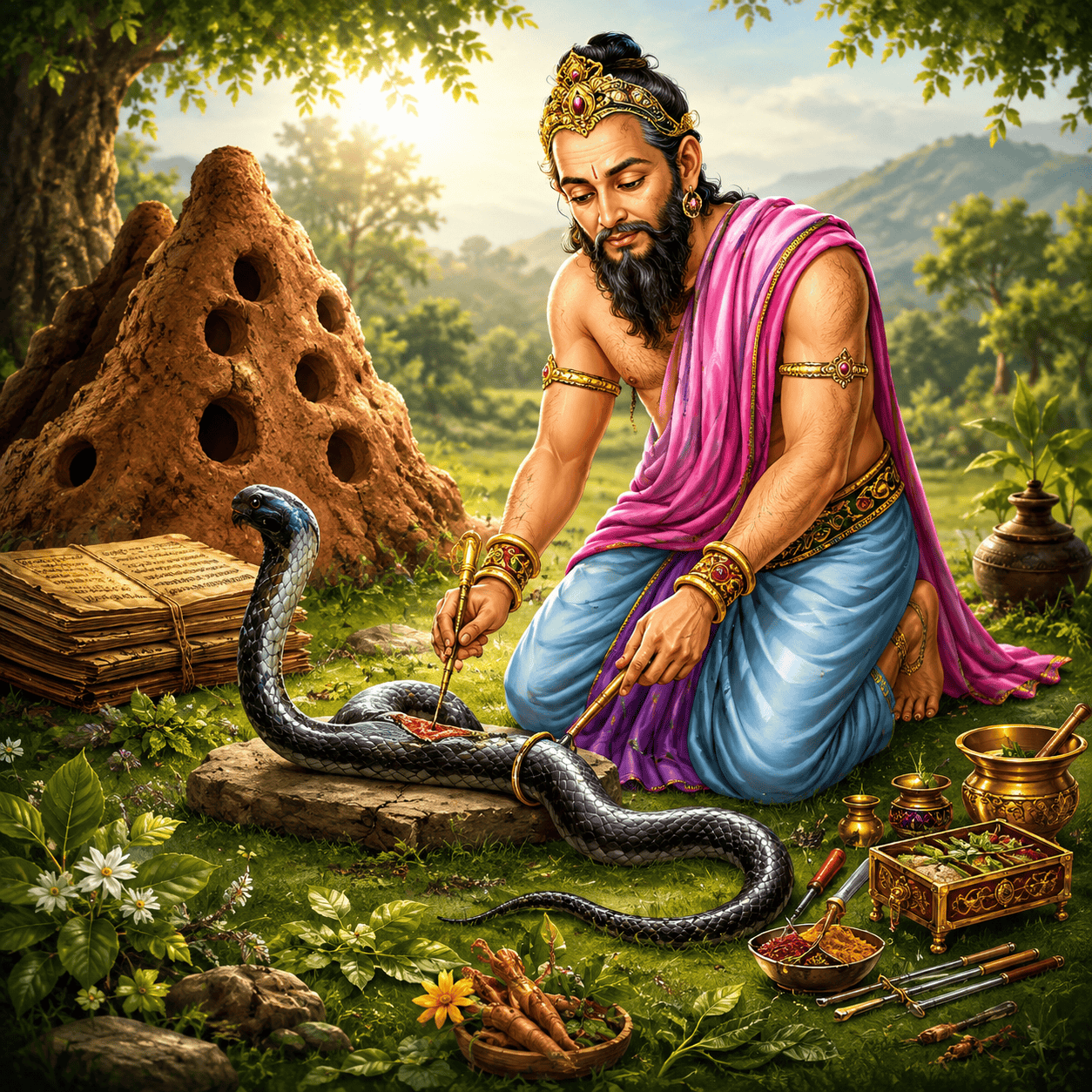
Much credit goes to King Buddhadasa (337 – 365 AD) for the development and popularization of indigenous medicine. Hela Annals mentions him as a great statesman who had a good knowledge of various medical methods such as linguistics, jurisprudence, surgery, physical therapy, psychotherapy, gynecological therapy and animal therapy (veterinary science) etc. It has been mentioned in the Maha Vamsa that during his reign Hela Div built medical centers in every village and local doctors were appointed to those centers to provide services to the people. It is mentioned in the historical sources that the book "Sarartha Sangraha" was composed by him.
උතුරු මැද පළාතේ දේශීය වෛද්ය උරුමය
උතුරු මැද පළාත ශ්රී ලංකාවේ පුරාණ ශිෂ්ටාචාරයේ හා සෞඛ්ය උරුමයේ වැදගත් කලාපයකි. අනුරාධපුරය හා පොළොන්නරුව ආශ්රිත පුරාණ ශිෂ්ටාචාරය තුළ සෞඛ්ය සේවා, රෝහල්, ඖෂධීය ශාක සහ ජල කළමනාකරණය සම්බන්ධ දැනුමට විශේෂ ස්ථානයක් හිමි විය.
එම ඓතිහාසික උරුමය සමඟ සම්බන්ධ දේශීය වෛද්ය දැනුම, ඖෂධීය ශාක සම්පත් සහ පාරම්පරික චිකිත්සා සම්ප්රදායන් සංරක්ෂණය කිරීම උතුරු මැද පළාතේ සෞඛ්ය හා සංස්කෘතික උරුමය ශක්තිමත් කිරීමට දායක වේ.
පුරාණ ශ්රී ලංකාවේ දේශීය වෛද්ය හා සෞඛ්ය සේවා පද්ධතියේ පුරාවිද්යාත්මක සාක්ෂි
| ස්ථානය | ප්රධාන නටබුන | වෛද්ය ඉතිහාසයේ වැදගත්කම |
|---|---|---|
| මිහින්තලේ | පුරාණ රෝහල් සංකීර්ණය | රෝගී කාමර, බෙහෙත් ඔරුව, ජන්තාඝාර, ඖෂධ/ශල්ය සාධක |
| ථූපාරාමය – අනුරාධපුර | පුරාණ රෝහල් නටබුන් | බෙහෙත් ඔරුව සහ රෝහල් සැලැස්ම |
| රුවන්වැලිසෑය – අනුරාධපුර | මහාවිහාර ආශ්රිත රෝහල | නේවාසික ප්රතිකාර හා ඖෂධීය ප්රතිකාර පිළිබඳ සාධක |
| මැදිරිගිරිය | පුරාණ රෝහල | මධ්යම අංගනය, රෝගී කාමර, බෙහෙත් ඔරුව |
| ආලාහන පිරිවෙන – පොළොන්නරුව | පුරාණ රෝහල් සංකීර්ණය | ශල්ය උපකරණ, ඖෂධ උපකරණ, බෙහෙත් ඔරුව, සනීපාරක්ෂක පහසුකම් |
උතුරු මැද පළාත ශ්රී ලංකාවේ දේශීය/ආයුර්වේද වෛද්ය ඉතිහාසය සඳහා ඉතා වැදගත් පුරාවිද්යාත්මක කලාපයක් ලෙස සැලකිය හැකිය. විශේෂයෙන් අනුරාධපුර හා පොළොන්නරුව රාජධානි සමයේ රෝගීන්ට ප්රතිකාර කිරීම, ඖෂධ සකස් කිරීම, ශල්යකර්ම, ඖෂධීය ස්නාන හා සනීපාරක්ෂාව සඳහා විධිමත් පහසුකම් තිබූ බවට නටබුන් සහ ශිලා ලේඛන සාක්ෂි සපයයි.
01. මිහින්තලේ පුරාණ රෝහල් සංකීර්ණය – අනුරාධපුර දිස්ත්රික්කය
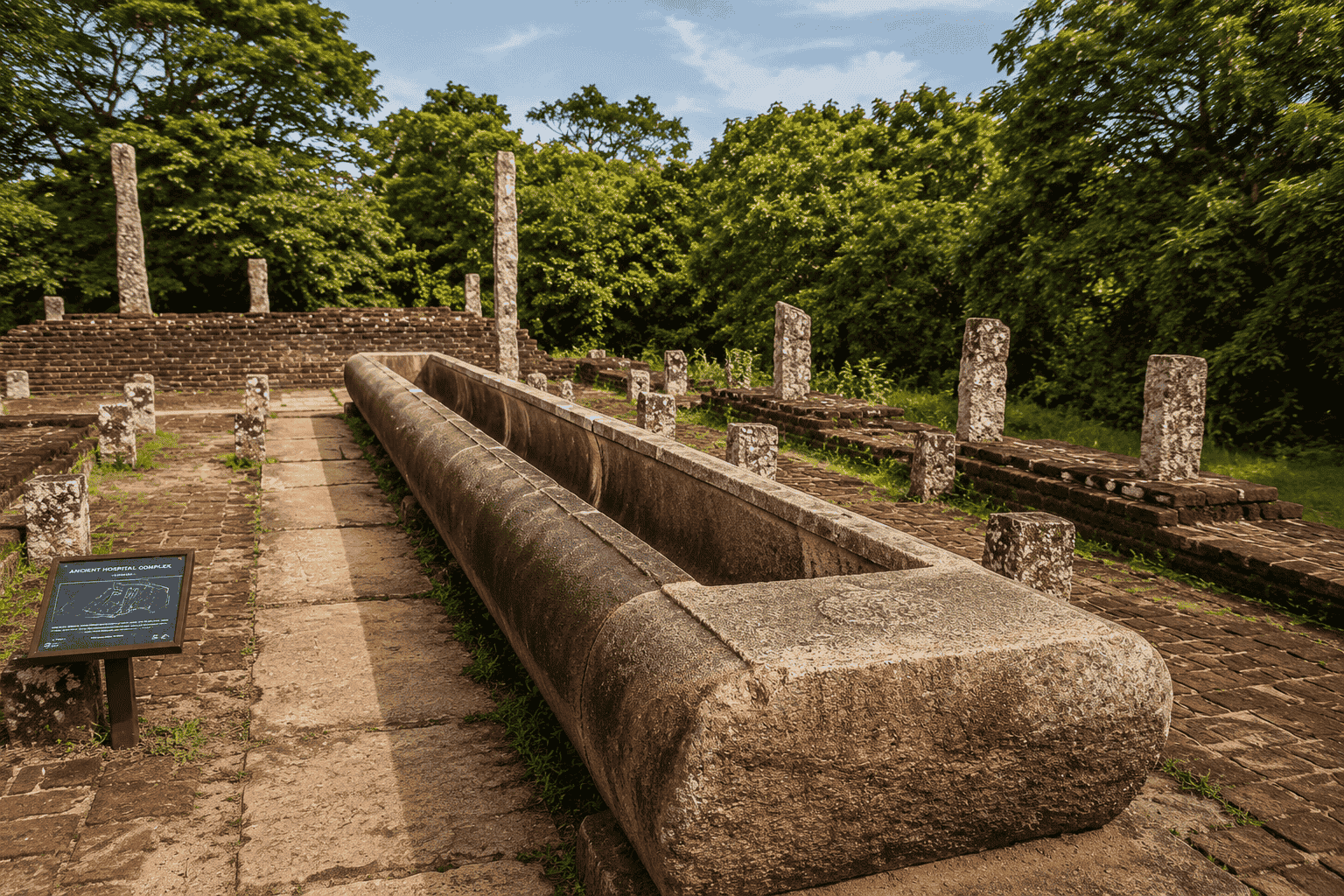
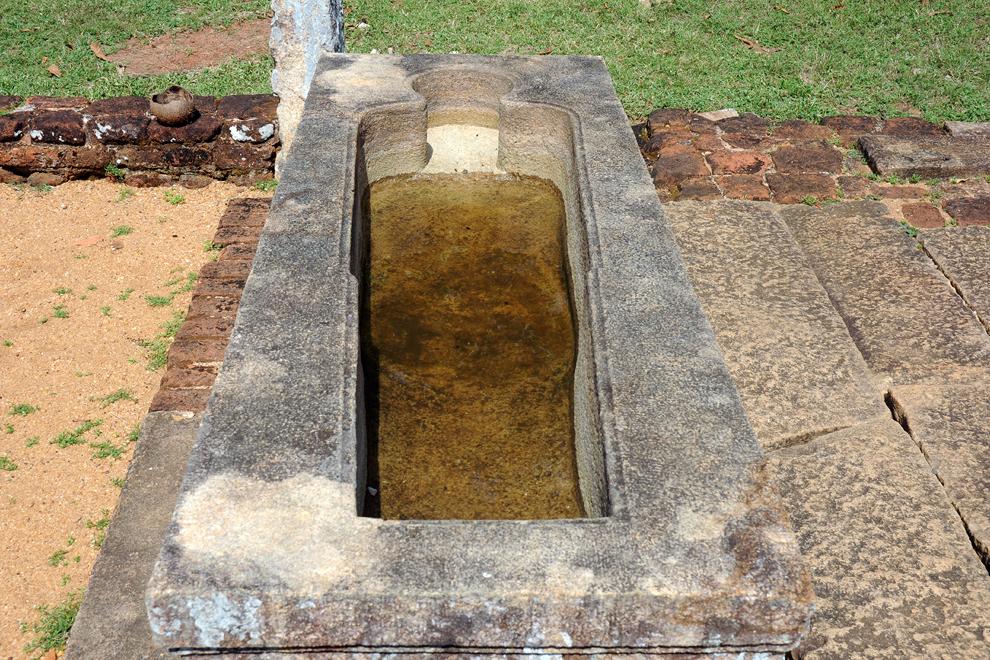
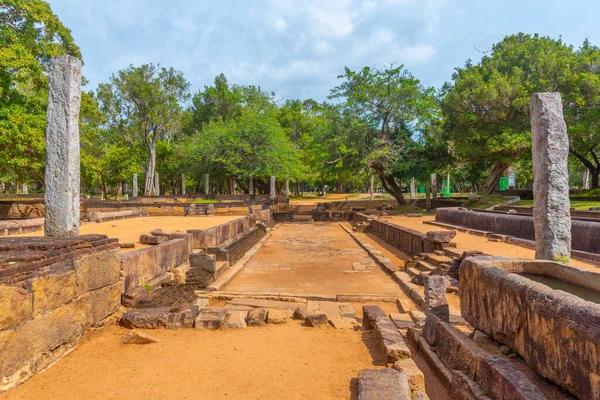
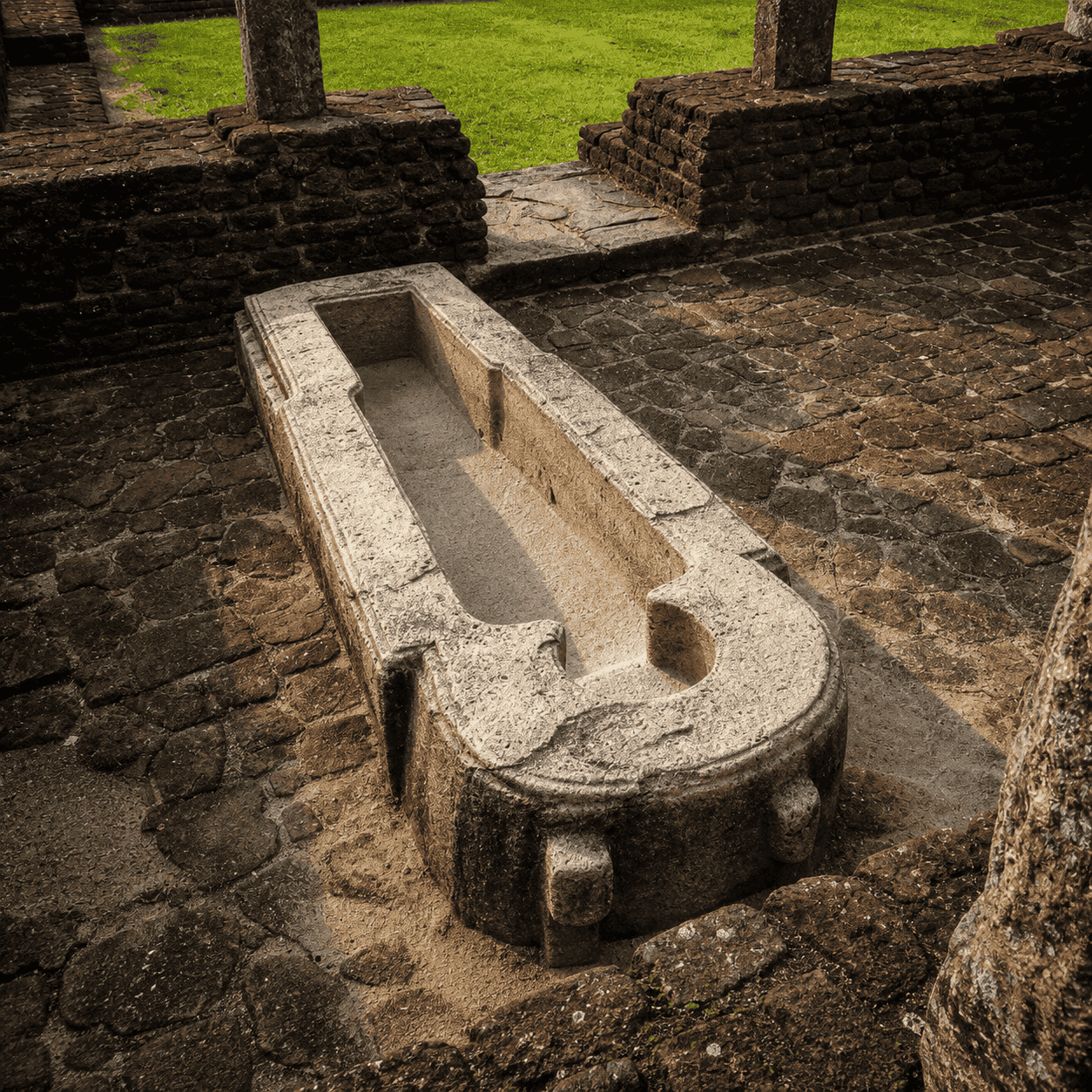
මිහින්තලේ පුරාණ රෝහල උතුරු මැද පළාතේ පමණක් නොව ශ්රී ලංකාවේ පුරාණ වෛද්ය ඉතිහාසයේ ඉතාමත් වැදගත් ස්ථානයකි. එය අනුරාධපුර යුගයේ, II වන සේන රජුගේ සමයට සම්බන්ධ කර හඳුනාගෙන ඇති අතර, වර්තමානයේ එහි ගොඩනැගිලි පදනම්, රෝගී කාමර, මධ්යම අංගනය, ඖෂධීය ස්නාන පහසුකම් සහ බෙහෙත් ඔරුව (medicinal trough) වැනි සාධක දැකිය හැකිය.
පුරාවිද්යාත්මක සාධක අනුව රෝහලේ:
- රෝගීන් පරීක්ෂා කිරීම සඳහා වෙන් වූ අවකාශ
- නේවාසික රෝගී කාමර
- ඖෂධීය ස්නාන සඳහා ගල් බෙහෙත් ඔරු
- උණු ජල හා වාෂ්ප ප්රතිකාර සඳහා ජන්තාඝාර වැනි පහසුකම්
- ඖෂධ සකස් කිරීමේ උපකරණ
- ශල්ය උපකරණ
තිබූ බවට සාධක හමුවී ඇත.
02. අනුරාධපුර පුරාණ රෝහල් නටබුන්
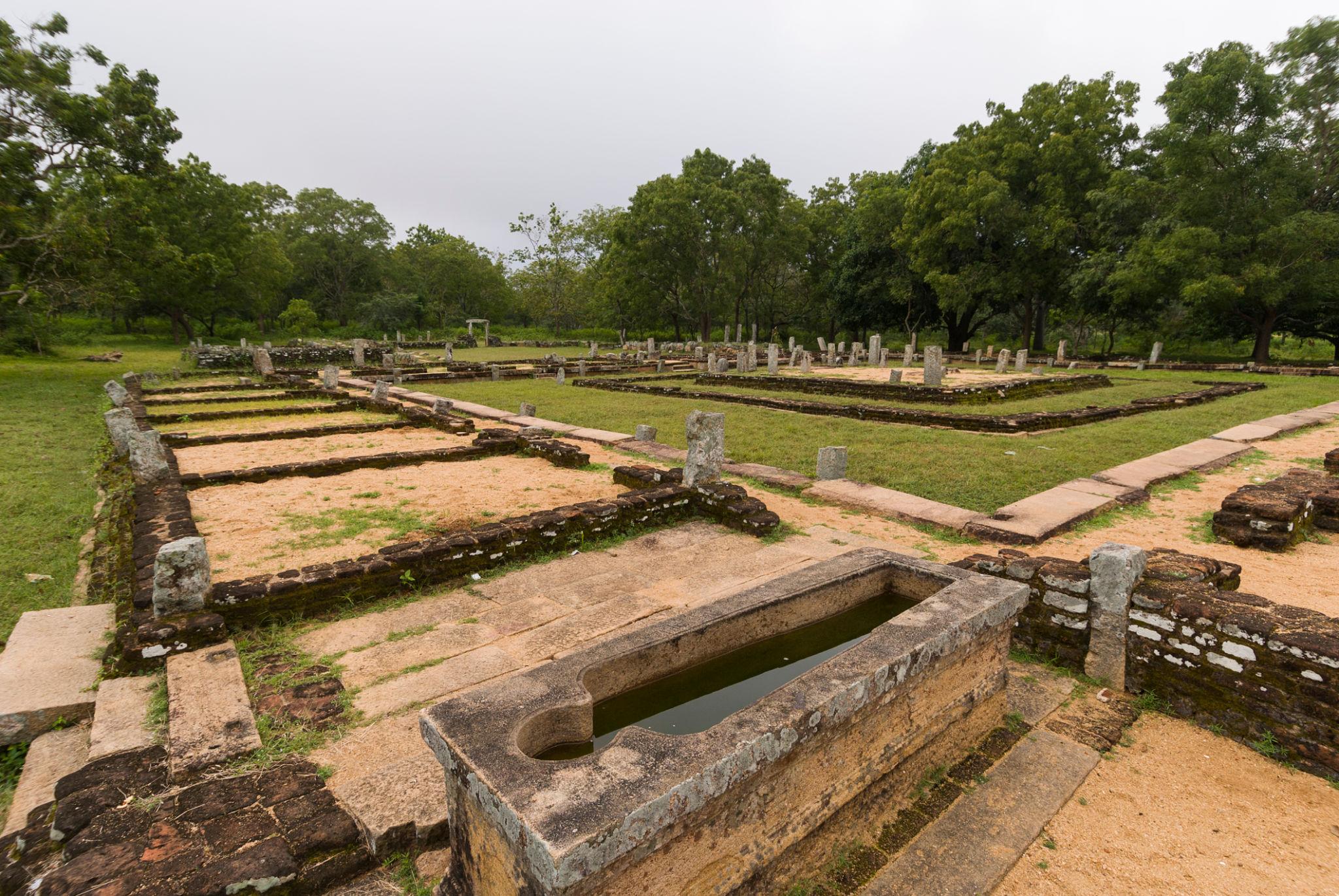
අනුරාධපුර පූජා නගරය තුළද පුරාණ වෛද්ය සේවා පැවති බවට නටබුන් කිහිපයක් හඳුනාගෙන ඇත.
විශේෂයෙන්,
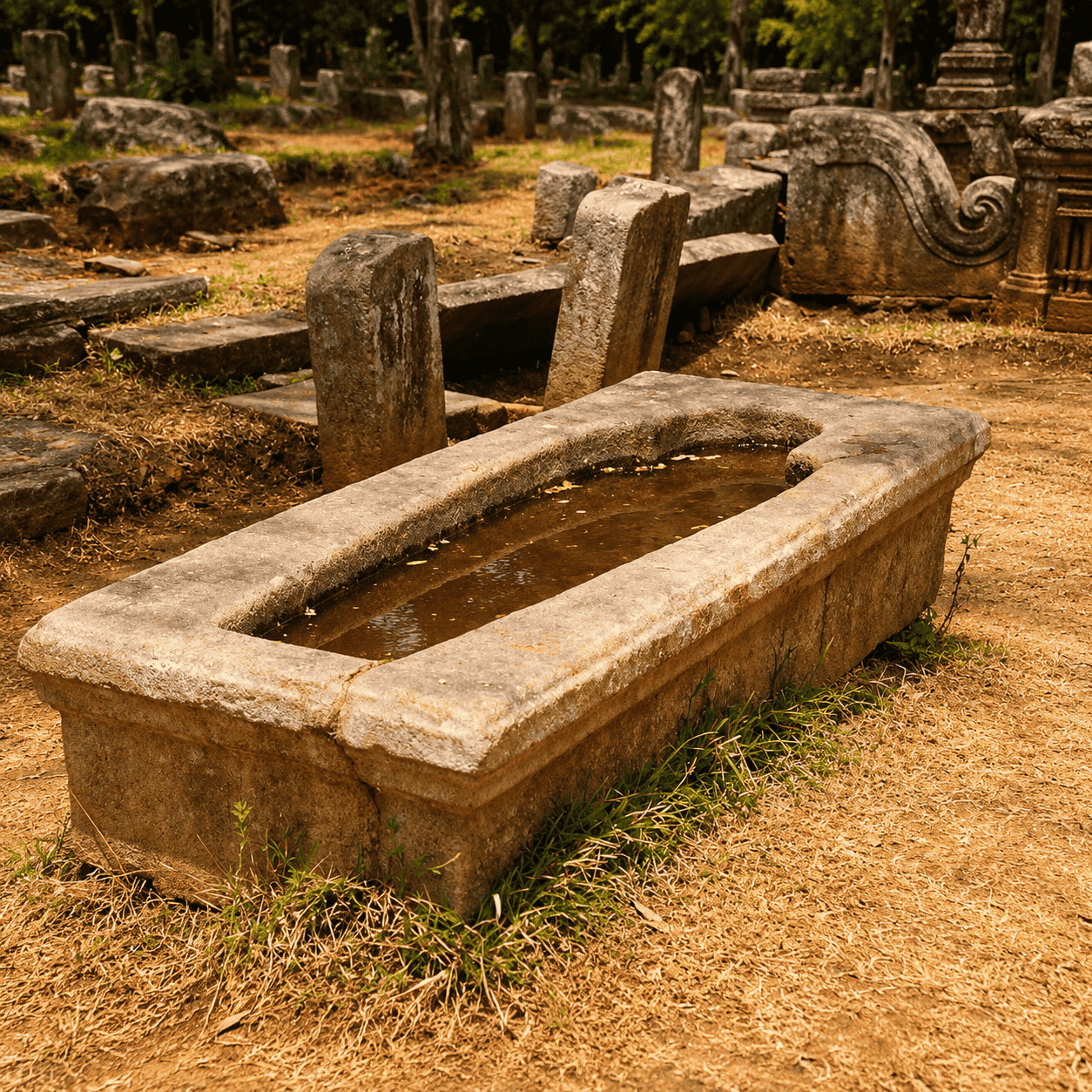
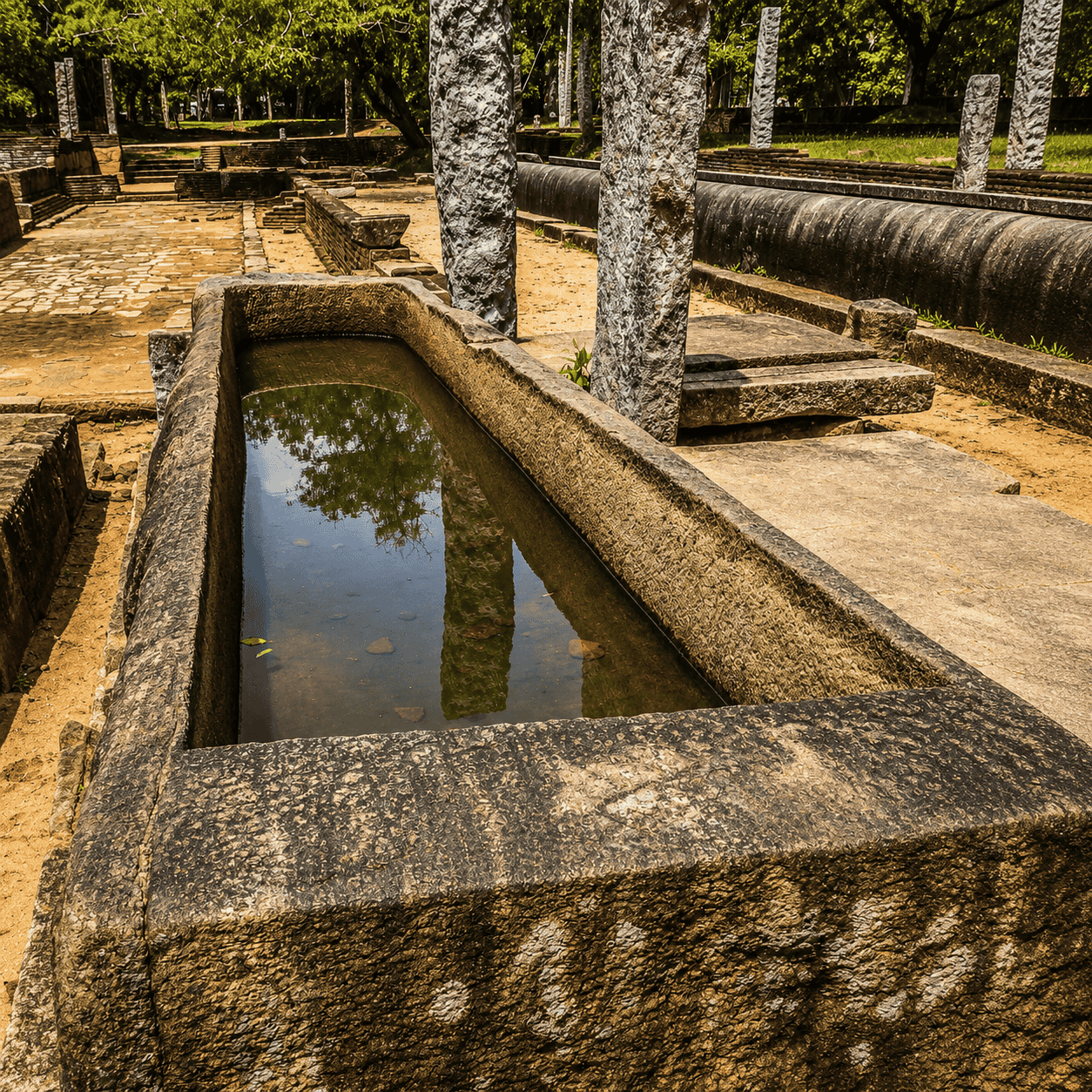
ථූපාරාමය ආශ්රිත පුරාණ රෝහල සහ රුවන්වැලිසෑය/මහාවිහාරය ආශ්රිත රෝහල් නටබුන් වැදගත් වේ. ථූපාරාමය ආශ්රිත ස්ථානයෙන් සොයාගත් ගල් බෙහෙත් ඔරුව පුරාණ ඖෂධීය ස්නාන ප්රතිකාර පිළිබඳ වැදගත් සාක්ෂියකි.
රුවන්වැලිසෑය ආශ්රිත රෝහලද මහාවිහාරයට සම්බන්ධ වෛද්ය පහසුකමක් ලෙස හඳුනාගෙන ඇති අතර, එහි බෙහෙත් ඔරුවක් සහ රෝගීන් සඳහා භාවිත කළ හැකි ගොඩනැගිලි පදනම් හඳුනාගෙන ඇත.
මෙම නටබුන් මගින් බෞද්ධ ආරාම පද්ධතිය හා සෞඛ්ය සේවාව අතර තිබූ සම්බන්ධතාව ද පැහැදිලි වේ.
03. මැදිරිගිරිය පුරාණ රෝහල් සංකීර්ණය
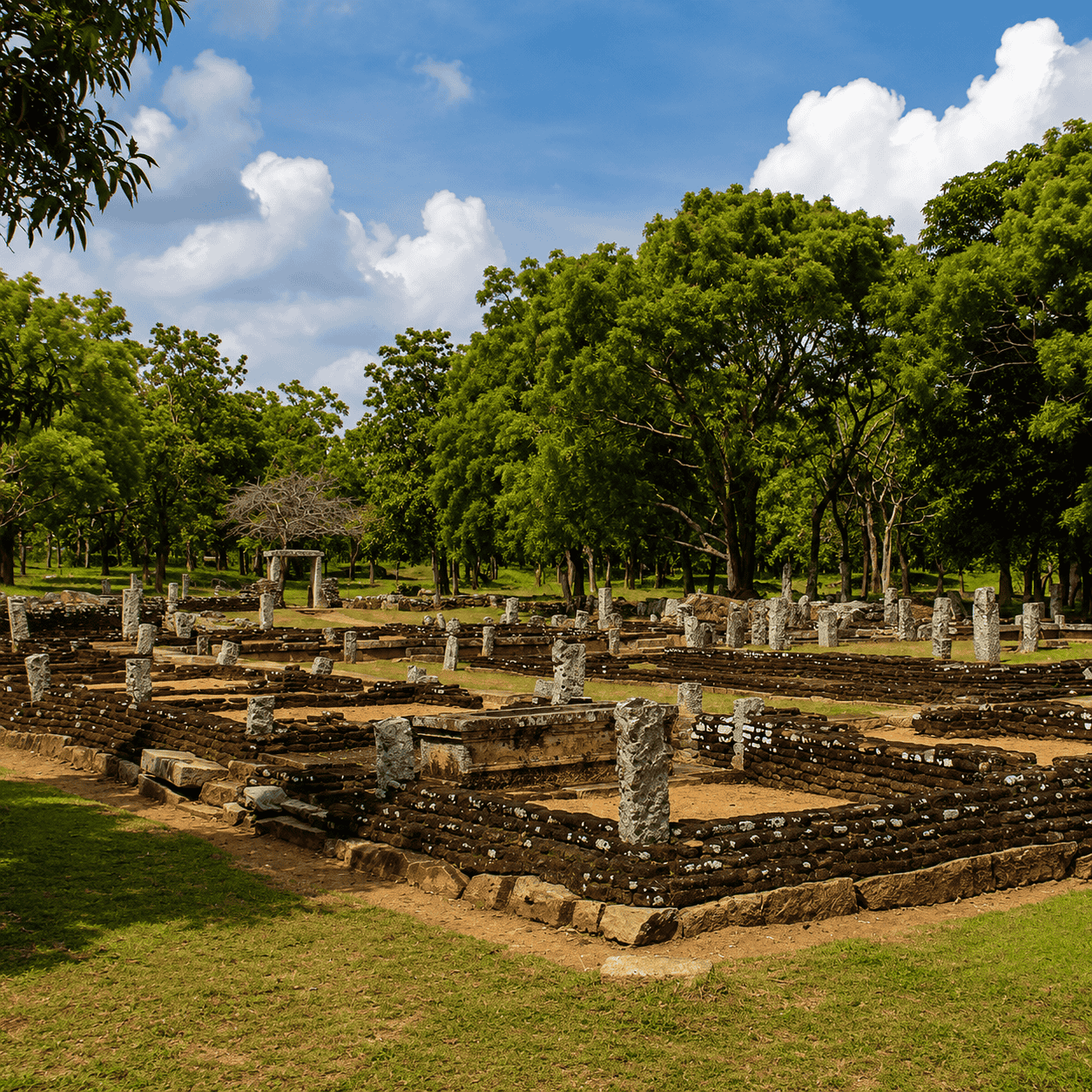
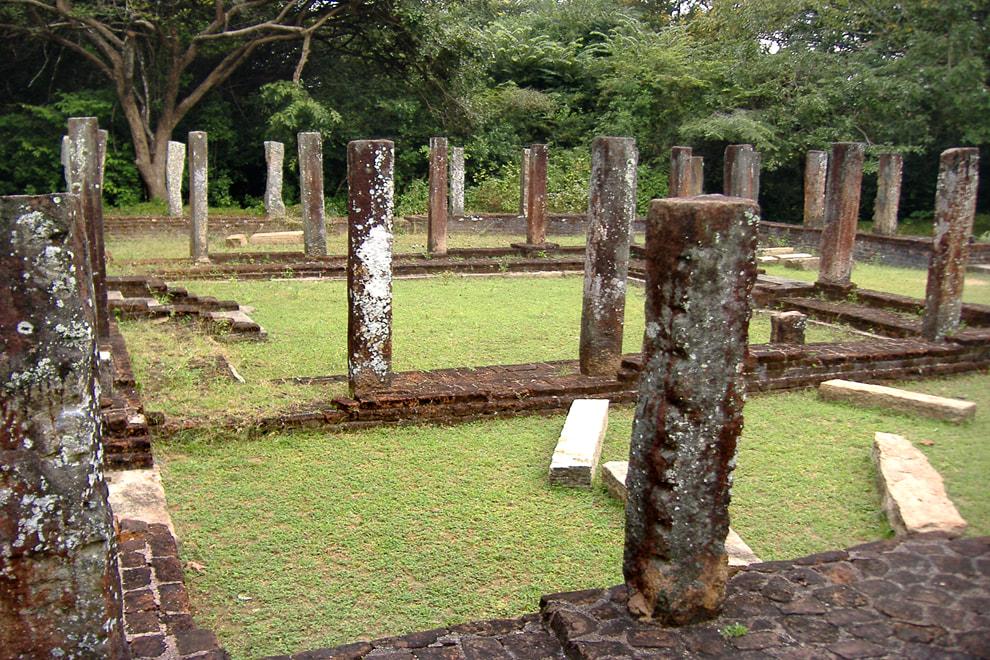
පොළොන්නරුව දිස්ත්රික්කයේ මැදිරිගිරිය පුරාණ නගරය ආශ්රිතව ඇති පුරාණ රෝහල් නටබුන් දේශීය වෛද්ය ඉතිහාසයේ තවත් වැදගත් සාක්ෂියකි.
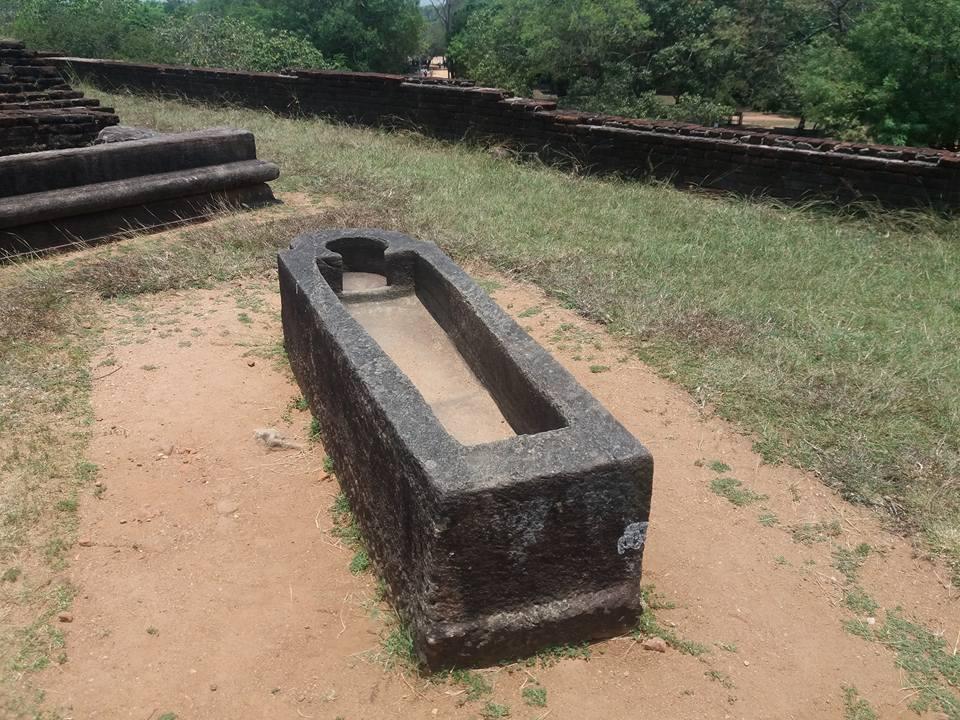
මෙහි ප්රතිසංස්කරණය කළ ගොඩනැගිලි පදනම මධ්යම අංගනයක් වටා කාමර සහිත සැලැස්මක් පෙන්වයි. ඖෂධීය ප්රතිකාර සඳහා භාවිත කළ ගල් බෙහෙත් ඔරුවක් ද මෙහි තිබී ඇති අතර, පුරාවිද්යා දෙපාර්තමේන්තුව විසින් එය ආරක්ෂාව සඳහා වෙනත් ස්ථානයකට ගෙන ගොස් ඇත.
මැදිරිගිරිය රෝහලේ කාල නිර්ණය සාමාන්යයෙන් අනුරාධපුර යුගයේ අවසාන අවධියට, ආසන්න වශයෙන් ක්රි.ව. 9–10 වන සියවස්වලට සම්බන්ධ කරයි.
04. ආලාහන පිරිවෙන පුරාණ රෝහල – පොළොන්නරුව
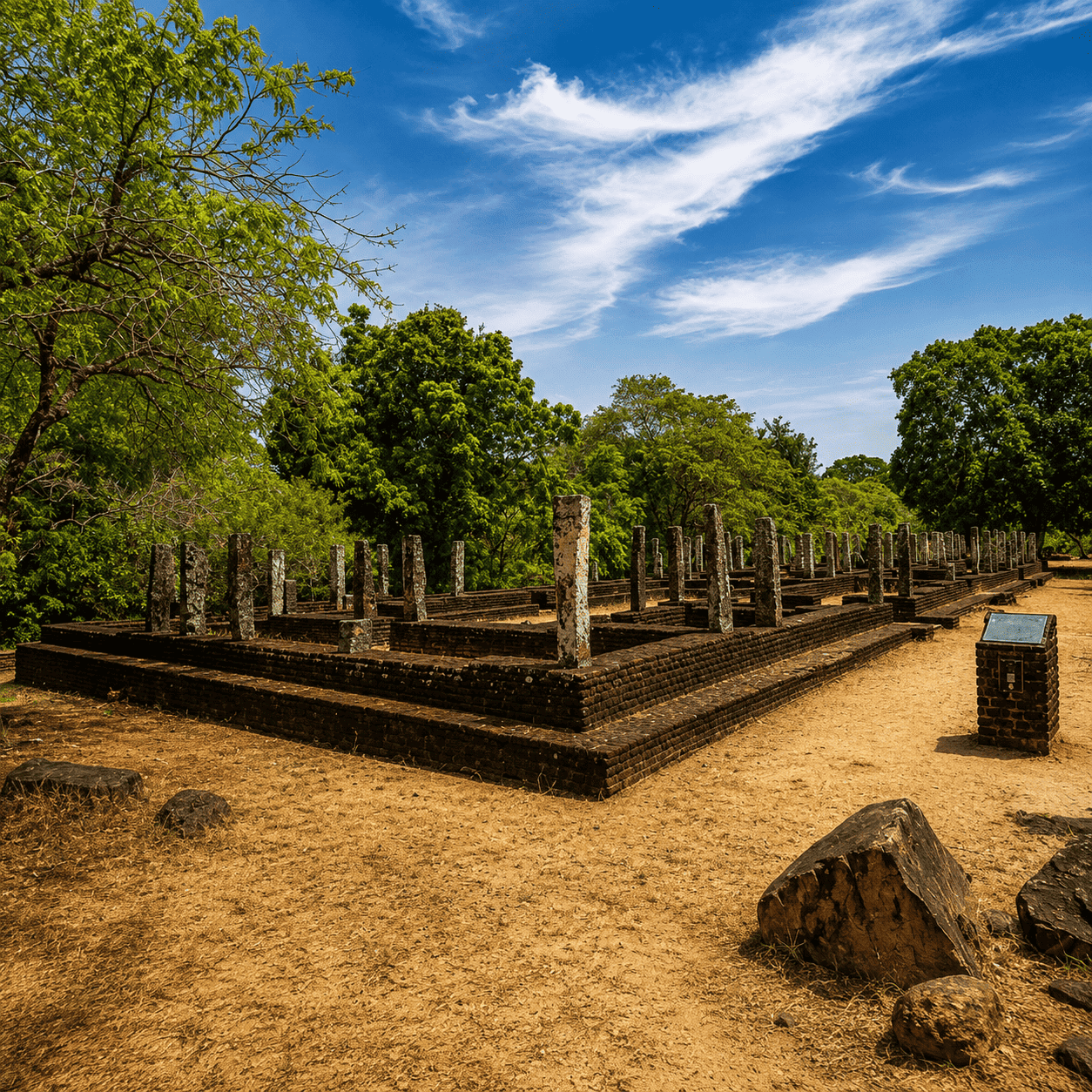
පොළොන්නරුවේ අලහෙන පිරිවෙන සංකීර්ණය දේශීය වෛද්ය ඉතිහාසය අධ්යයනය කිරීමට ඇති විශිෂ්ටතම පුරාවිද්යාත්මක ස්ථාන අතරින් එකකි.
12 වන සියවසට අයත් මෙම රෝහල් සංකීර්ණය පරාක්රමබාහු I රජුගේ සමය සමඟ සම්බන්ධ වේ. මෙහි:
- රෝගීන් සඳහා නේවාසික කාමර
- ඖෂධ සකස් කිරීමේ අවකාශ
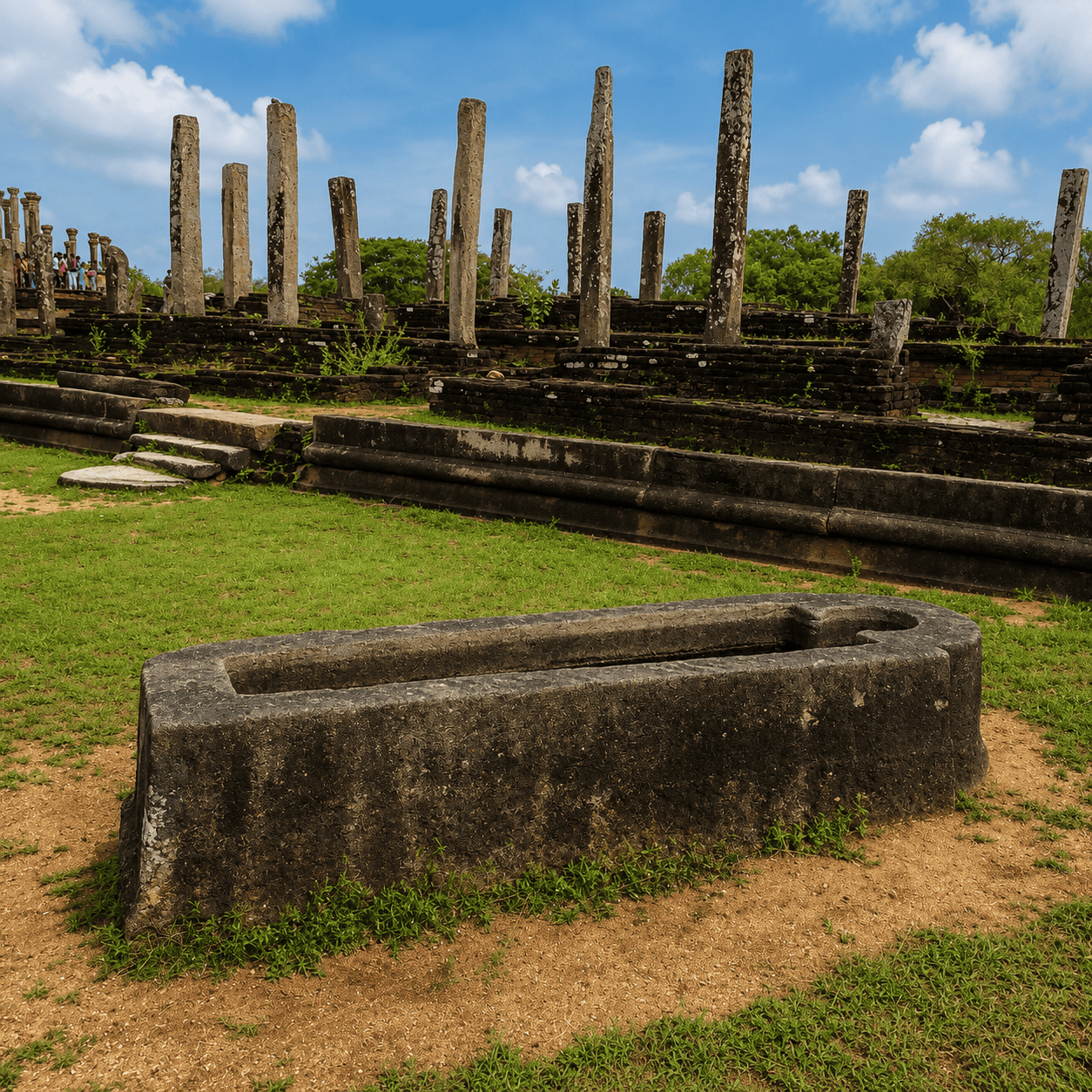
- ගල් බෙහෙත් ඔරුව
- ඖෂධ ඇඹරීමේ උපකරණ
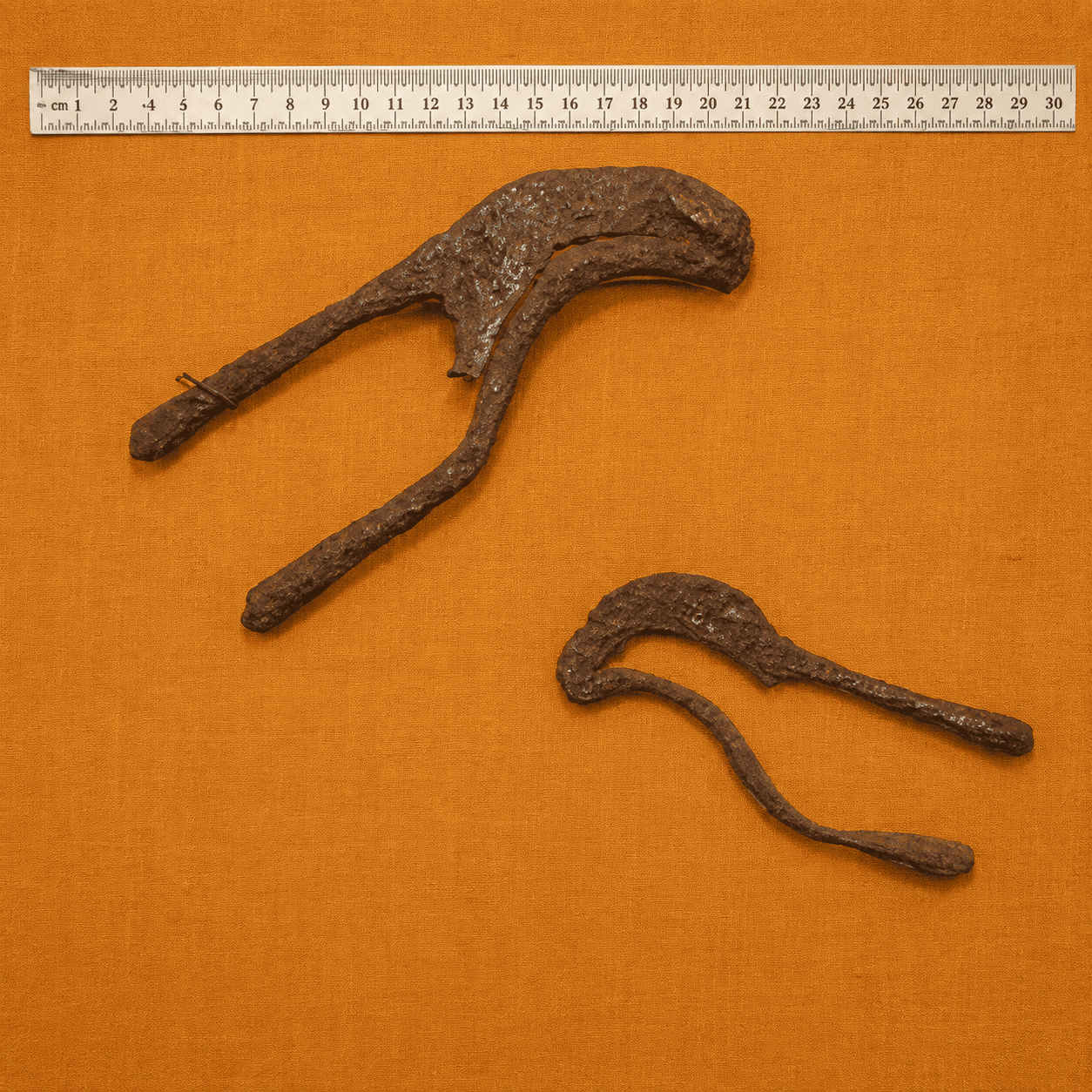
- ශල්ය උපකරණ
- ජල හා සනීපාරක්ෂක පහසුකම්
වැනි සාධක හමුවී තිබේ.
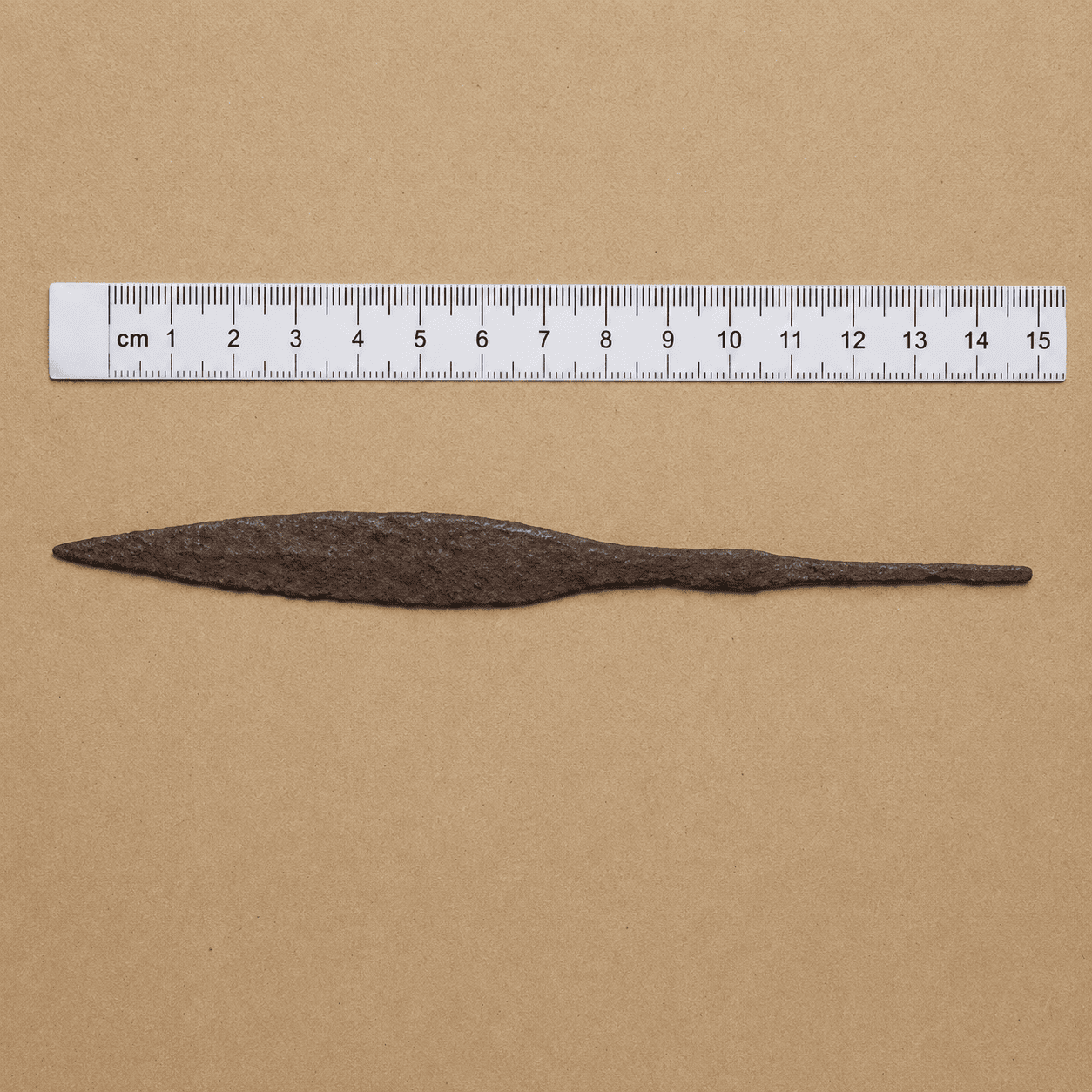
විශේෂයෙන් ශල්ය උපකරණ හමුවීම පුරාණ ශ්රී ලංකාවේ වෛද්යවරුන් ශල්යකර්මද සිදු කළ බවට පුරාවිද්යාත්මක සාක්ෂියක් සපයයි. මෙහි තිබූ බෙහෙත් ඔරුව ඖෂධීය දියර හෝ ඖෂධීය තෙල් භාවිතයෙන් සිදු කළ immersion therapy පිළිබඳ වැදගත් සාක්ෂියකි.

Later, the Indian Ayurvedic system of medicine became popular in this country, but Hela medicine has been preserved until today, either mixed with it or separately. Some of the traditional practitioners, who learned Bibliography with Indian inspiration, worked to preserve their traditional knowledge for future generations through Puskola books. It also contributed to the survival of Deshiya chikithsa to this day. Since the kings of Hela understood the importance of having a healthy, strong and energetic people due to having to face the invasions of various nations since ancient times, they understood the need of Hela traditional healers for that. And thus, They set up medical villages, established hospitals, herb gardens and established Deshiya vedakama with the traditional practitioners as the head of the village.
Hela Vedakama, which had been preserved for many centuries, was hit hard during and after the invasions of the western nations and almost became extinct due to the lack of government support. But due to the indomitable courage and dedication of traditional healers, Deshiya chikithsa or Hela vedakama has been preserved till today.
Along with the development of civilizations, the unique knowledge systems created in association with those civilizations also developed. This is also true of Hela vedakama. In it, a unique wealth of knowledge that cannot be found in any other medical system in the world has been gathered. A unique feature of this is that each medicine is special to that generation due to the mastery and development of that medicine from father to son by the practitioners who showed skill in that medicine. Later, those generations of medicine have been referred to by the area they lived in, and examples include Horivila Fracture Medicine, Nandungamuwa Cystic Ulcer Medicine, etc.
හෙළ වෙදකම යනු කුමක්ද?
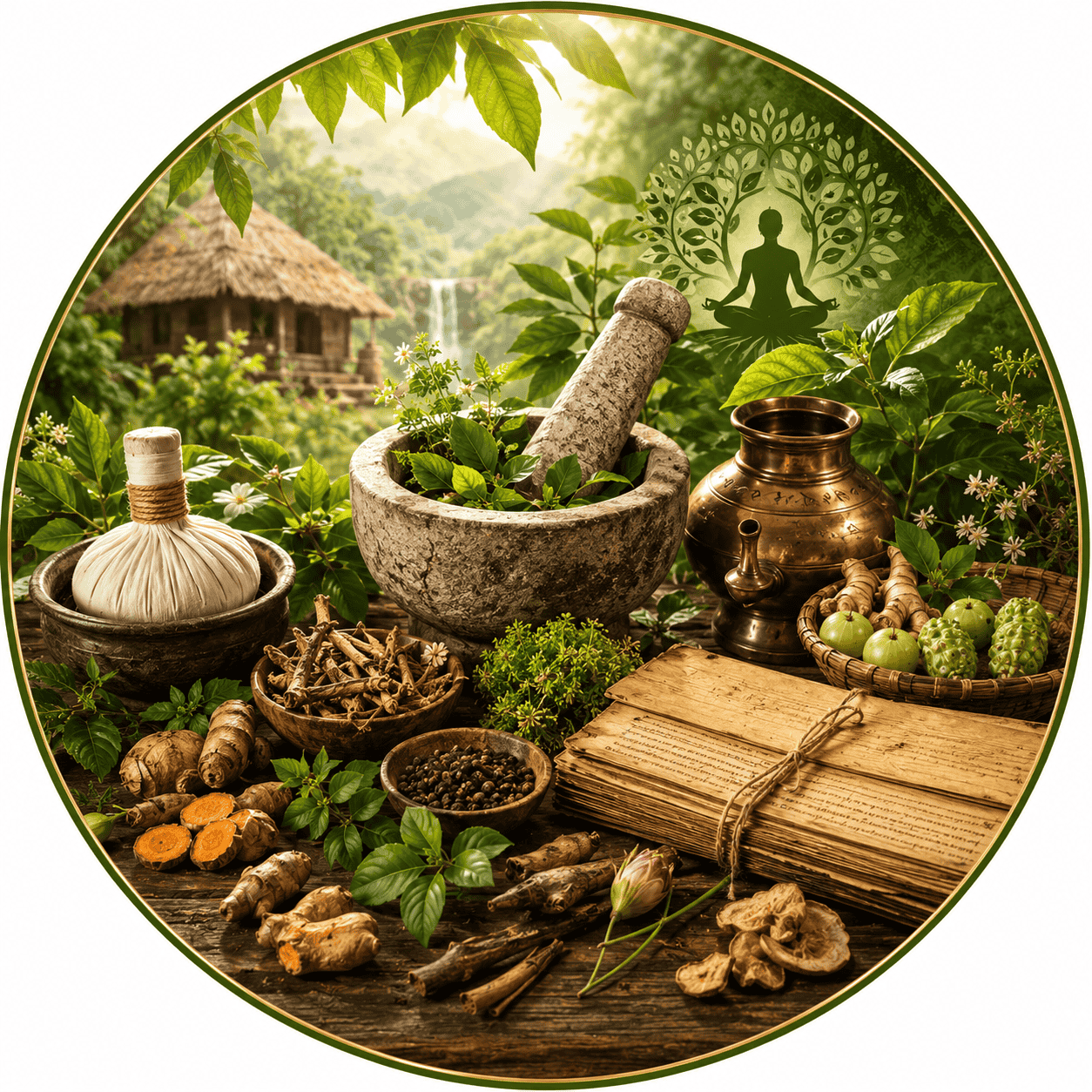
ඒ අනුව “හෙළ වෙදකම” යනු ශ්රී ලංකාවේ දේශීය සමාජය තුළ ඓතිහාසිකව වර්ධනය වූ සාම්ප්රදායික වෛද්ය දැනුම හා චිකිත්සා ක්රමවල එකතුවක් ලෙස සැලකිය හැකිය.
මෙම දැනුම් පද්ධතිය තුළ රෝග හඳුනාගැනීම, රෝග නිවාරණය, ප්රතිකාර කිරීම, ආහාර හා පෝෂණය, ඖෂධීය ශාක භාවිතය, බාහිර ප්රතිකාර, ශාරීරික සත්කාර සහ සෞඛ්ය සම්පන්න ජීවන රටාව වැනි විවිධ අංශ ඇතුළත් වේ.
දේශීය වෙදකමේ විශේෂත්වයක් වන්නේ ප්රතිකාරයේදී පුද්ගලයාගේ ශාරීරික තත්ත්වය, වයස, ආහාර පුරුදු, ජීවන රටාව, පරිසරය සහ රෝග තත්ත්වය වැනි කරුණු සලකා බැලීමට අවධානය යොමු කිරීමයි.
The obvious difference between indigenous medicine and Indian ayurveda is that many of the medicines used in indigenous medicine are not found in ayurveda and some of the drug modifications and therapies are unique to indigenous medicine.
Eight major components of deshiya chikithsa can be identified.
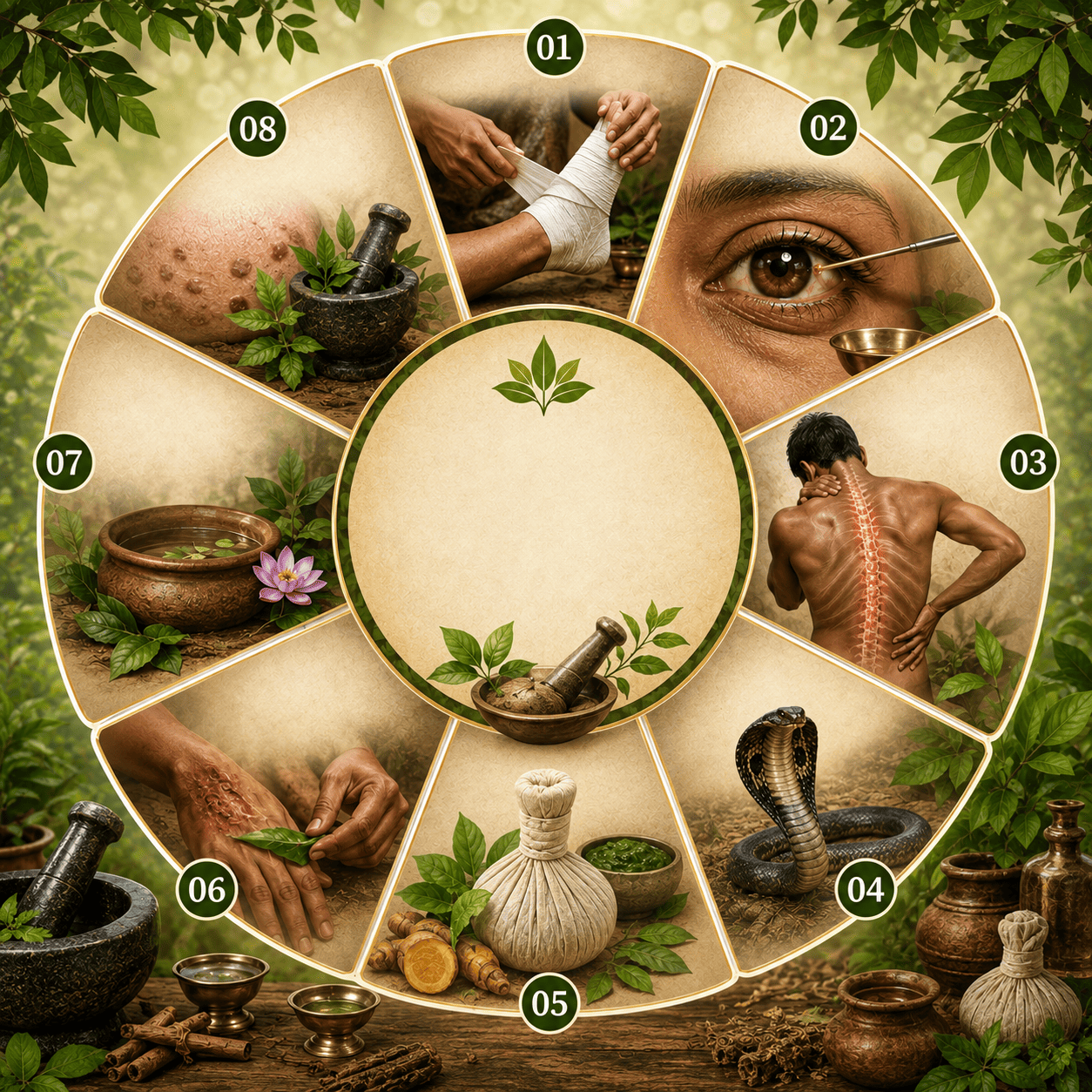
- Kadum Bindum vedakama (Treatments for Fractures)
- Es vedakama ( Treatments for Eye Diseases )
- Vata Roga
- Sarpa Visha Vedakama ( Treatments for Snake bites)
- Gedi Vana Pilika Vedakama ( Treatments of Wounds and tumors )
- Dawum Pillissum Vedakama ( Treatments for Burns)
- Jala beethika vedakama ( Treatments for Rabies)
- Charma Roga Vedakama ( Treatments for Skin Diseases )
Apart from this, medical systems such as Penus Vedakam, Yantra Mantra Gurukam (Gupta Shastra), Sattva Vedakam, Vriksha Vedakam etc. are also found in local therapy in connection with certain lineages of doctors.
දේශීය චිකිත්සාවේ මූලික ලක්ෂණ
01. ස්වභාවික සම්පත් භාවිතය
දේශීය චිකිත්සාවේදී ඖෂධීය ශාක, කොළ, මුල්, පොතු, මල්, බීජ සහ අනෙකුත් ස්වභාවික ද්රව්ය පිළිබඳ පාරම්පරික දැනුම භාවිත වී ඇත.
02. පුද්ගල කේන්ද්රීය ප්රවේශය
එක් එක් පුද්ගලයාගේ ශාරීරික ස්වභාවය, වයස, ආහාර පුරුදු, ජීවන රටාව සහ රෝග තත්ත්වය අනුව ප්රතිකාරය වෙනස් විය හැකි බවට අවධානය යොමු කරයි.
03. රෝග නිවාරණයට අවධානය
රෝගයක් ඇති වූ පසු ප්රතිකාර කිරීම පමණක් නොව, සෞඛ්යය පවත්වා ගැනීම, නිසි ආහාර හා ජීවන රටාව පවත්වා ගැනීම සහ රෝග වළක්වා ගැනීම කෙරෙහි ද අවධානය යොමු කරයි.
04. ආහාර හා ජීවන රටාව
ආහාරය සෞඛ්යයේ වැදගත් අංගයක් ලෙස සලකා, පුද්ගලයාගේ තත්ත්වයට ගැළපෙන ආහාර රටාවක් පවත්වා ගැනීම පිළිබඳව දේශීය දැනුම් සම්ප්රදායන් තුළ විවිධ උපදෙස් දක්නට ලැබේ.
05. ශරීරය හා පරිසරය අතර සම්බන්ධතාවය
මානව සෞඛ්යය ස්වභාවික පරිසරය සමඟ සම්බන්ධ කරමින්, පරිසරයට අනුකූල ජීවන රටාවක් පවත්වා ගැනීමේ වැදගත්කම අවධාරණය කරයි.
දේශීය චිකිත්සාවේ ප්රධාන ප්රතිකාර ක්රම
දේශීය වෛද්ය සම්ප්රදාය තුළ විවිධ රෝග හා ශාරීරික තත්ත්ව සඳහා පරම්පරාගතව භාවිත වූ ප්රතිකාර ක්රම රැසක් දක්නට ලැබේ.
🌿 ඖෂධීය ශාක හා ඖෂධ
දේශීය ඖෂධ නිෂ්පාදනය සඳහා විවිධ ඖෂධීය ශාක සහ ස්වභාවික ද්රව්ය භාවිත කිරීම දේශීය චිකිත්සාවේ වැදගත් අංගයකි.
🫖 ඖෂධීය පාන හා කෂාය
විවිධ ඖෂධීය ශාක සහ ද්රව්ය යොදා සකස් කරන පාන වර්ග සහ කෂාය පාරම්පරිකව භාවිත වී ඇත.
🛁 බාහිර ප්රතිකාර
තෙල් ගැල්වීම, පත්තු, පොට්ටනි, ස්වේදන ආදී විවිධ බාහිර චිකිත්සා ක්රම දේශීය වෛද්ය සම්ප්රදාය තුළ හඳුනාගත හැකිය.
💆 ශාරීරික චිකිත්සා
ශරීරයේ විවිධ වේදනා සහ චලන ආබාධ සඳහා සම්බාහනය සහ අනෙකුත් ශාරීරික චිකිත්සා ක්රම භාවිත වූ බව දේශීය වෛද්ය සම්ප්රදායන්හි දැක්වේ.
🦴 කැඩුම් බිඳුම් හා අස්ථි සම්බන්ධ චිකිත්සාව
ශ්රී ලංකාවේ දේශීය වෛද්ය සම්ප්රදාය තුළ විශේෂයෙන් ප්රසිද්ධ වූ අංශයක් ලෙස කැඩුම් බිඳුම් චිකිත්සාව හඳුන්වා දිය හැකිය. අස්ථි හා සන්ධි ආශ්රිත තුවාල සඳහා පාරම්පරිකව භාවිත වූ ක්රම මෙහි දක්නට ලැබේ.
🧠 හිස හා ස්නායු ආශ්රිත ප්රතිකාර
හිස, ස්නායු සහ අනෙකුත් ශාරීරික තත්ත්ව සඳහා දේශීය වෛද්ය සම්ප්රදාය තුළ විවිධ ප්රතිකාර ක්රම පවතී.
දේශීය ඖෂධීය ශාක දැනුම
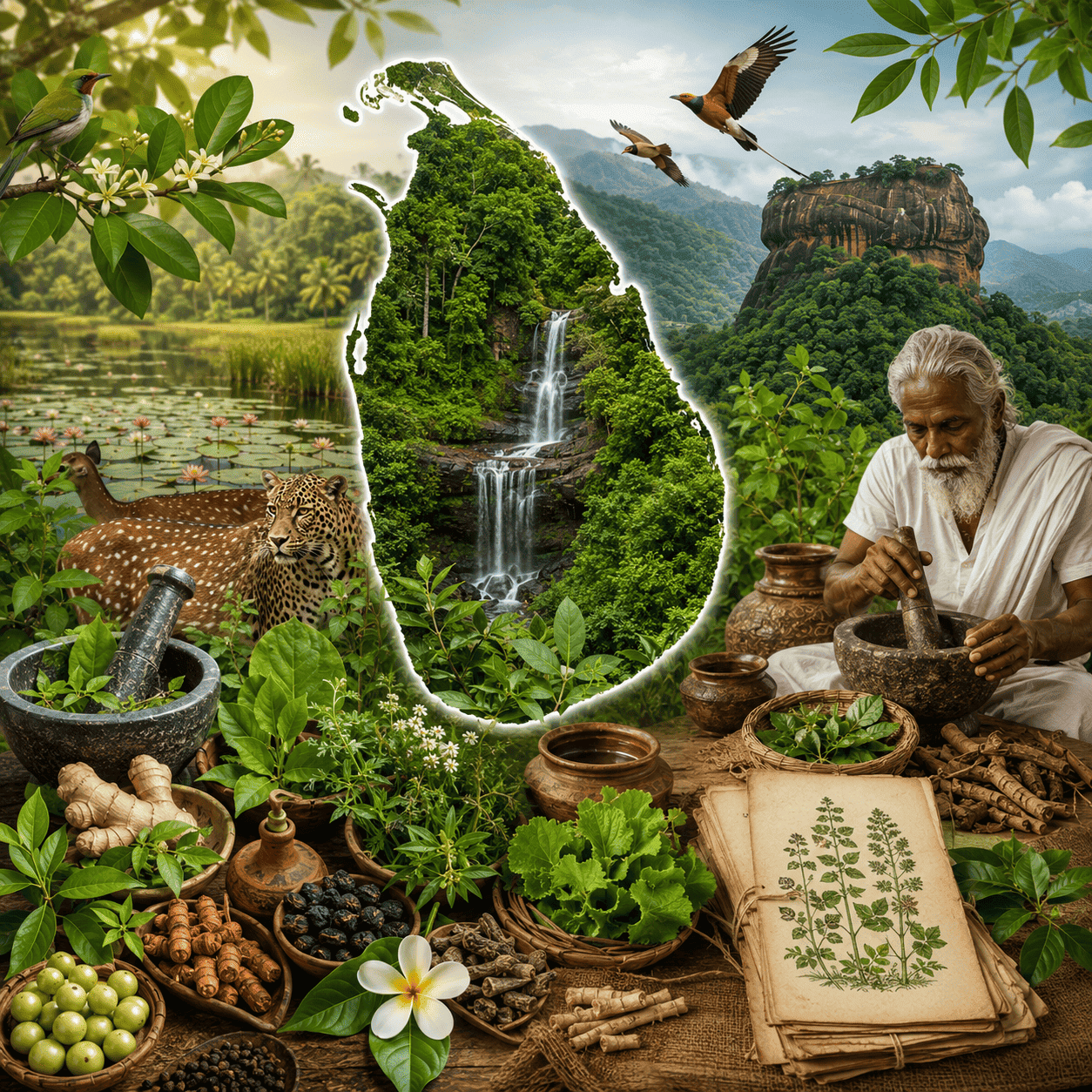
ශ්රී ලංකාව ජෛව විවිධත්වයෙන් පොහොසත් රටක් වන අතර, ඖෂධීය ශාක පිළිබඳ දේශීය දැනුම එහි වැදගත් සංස්කෘතික උරුමයකි.
පරම්පරාගතව භාවිත වූ ශාක පිළිබඳ දැනුම තුළ ඒවා හඳුනාගැනීම, වගා කිරීම, එකතු කිරීම, සංරක්ෂණය කිරීම සහ ඖෂධ සකස් කිරීම පිළිබඳ විවිධ තොරතුරු අන්තර්ගත වේ.
මෙම දැනුම සංරක්ෂණය කිරීම, විද්යාත්මකව අධ්යයනය කිරීම සහ තිරසාර ලෙස භාවිත කිරීම වර්තමානයේ ඉතා වැදගත් වේ.
දේශීය චිකිත්සාව හා ආයුර්වේදය
ශ්රී ලංකාවේ දේශීය වෛද්ය ක්ෂේත්රය තුළ දේශීය චිකිත්සාව සහ ආයුර්වේදය අතර ඓතිහාසික හා ප්රායෝගික සම්බන්ධතාවයක් පවතී.
ආයුර්වේදයේ සෞඛ්යය, රෝග නිවාරණය සහ ප්රතිකාර පිළිබඳ මූලධර්ම ශ්රී ලංකාවේ දේශීය වෛද්ය දැනුම සමඟ අන්තර්ක්රියා කරමින් විවිධ ප්රතිකාර සම්ප්රදායන් වර්ධනය වීමට දායක වී ඇත.
එබැවින් දේශීය චිකිත්සාව පිළිබඳව අවබෝධ කරගැනීමේදී එය ශ්රී ලංකාවේ පුළුල් සම්ප්රදායික වෛද්ය උරුමයේ කොටසක් ලෙස සලකා බැලීම වැදගත් වේ.
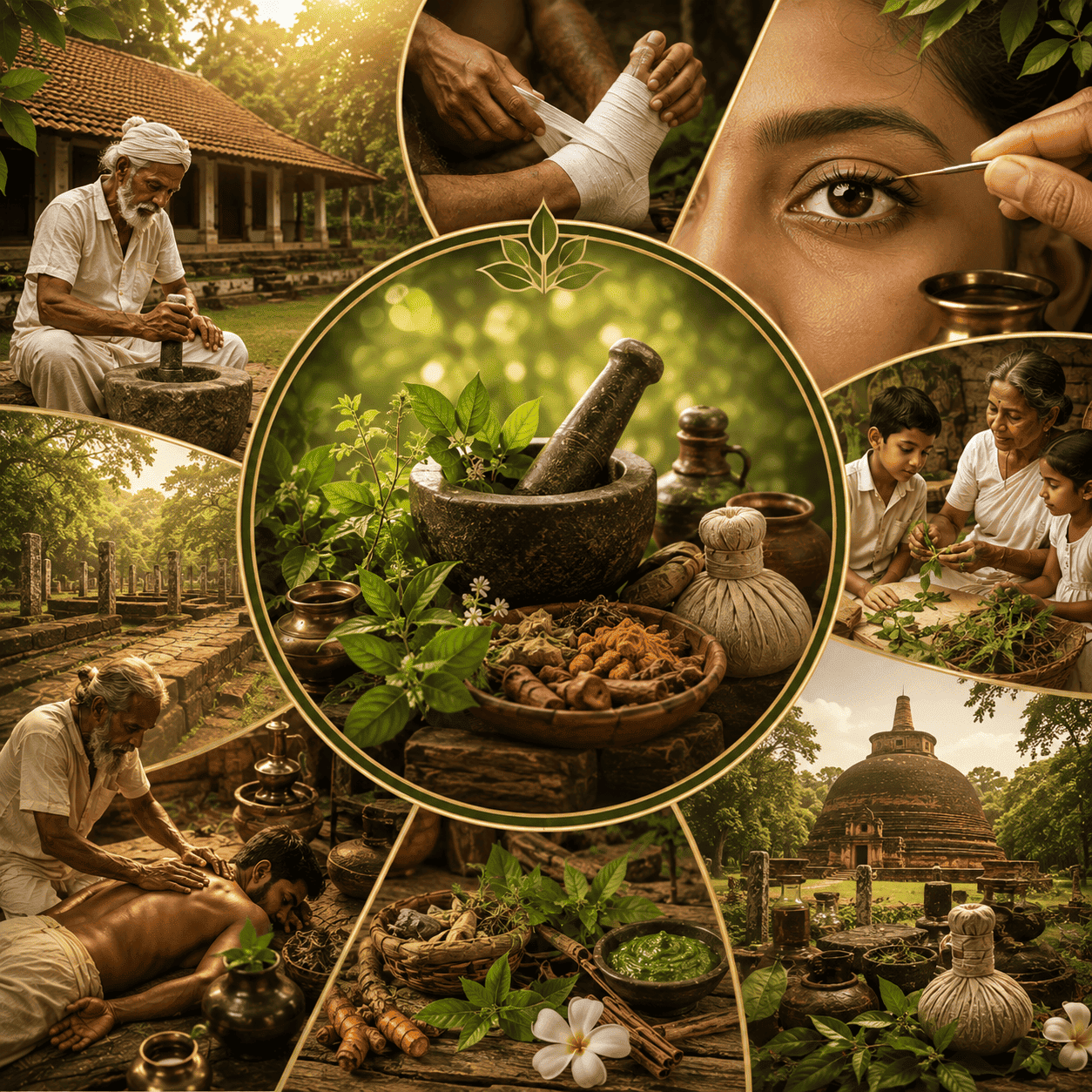
දේශීය චිකිත්සාවේ සමාජ හා සංස්කෘතික වැදගත්කම
දේශීය චිකිත්සාව වෛද්ය ක්රමයක් පමණක් නොව, ශ්රී ලාංකීය ජන සමාජයේ දැනුම, සංස්කෘතිය සහ පාරම්පරික ජීවන රටාව සමඟ බැඳුණු උරුමයකි.
විශේෂයෙන් ග්රාමීය ප්රජාවන් තුළ පරම්පරාගතව පවත්වාගෙන ආ ඖෂධීය ශාක දැනුම, ආහාර දැනුම සහ විවිධ චිකිත්සා ක්රම ශ්රී ලංකාවේ අස්පර්ශනීය සංස්කෘතික උරුමයේ වැදගත් කොටසක් ලෙස සැලකිය හැකිය.
මෙම දැනුම අනාගත පරපුර වෙත නිවැරදිව සම්ප්රේෂණය කිරීම සහ ලේඛනගත කිරීම ජාතික වගකීමකි.
දේශීය වෛද්ය දැනුම සංරක්ෂණය කිරීම
දේශීය චිකිත්සාවේ අනාගතය සඳහා පහත කරුණු විශේෂ වැදගත්කමක් දරයි.
- පාරම්පරික වෛද්ය දැනුම ලේඛනගත කිරීම
- දේශීය ඖෂධීය ශාක සංරක්ෂණය කිරීම
- ඖෂධීය ශාක උද්යාන සංවර්ධනය
- පාරම්පරික වෛද්යවරුන්ගේ දැනුම අධ්යයනය කිරීම
- සාම්ප්රදායික ඖෂධ පිළිබඳ පර්යේෂණ
- ඖෂධවල ගුණාත්මකභාවය තහවුරු කිරීම
- තරුණ පරපුර අතර දේශීය වෛද්ය දැනුම ප්රවර්ධනය
- ඩිජිටල් තාක්ෂණය භාවිතයෙන් දැනුම් දත්ත සමුදායන් නිර්මාණය කිරීම
- දේශීය වෛද්ය උරුමය සංචාරක හා සංස්කෘතික ක්ෂේත්ර සමඟ සම්බන්ධ කිරීම
නූතන සෞඛ්ය පද්ධතිය තුළ දේශීය චිකිත්සාව
වර්තමානයේ දේශීය වෛද්ය දැනුම සංරක්ෂණය කිරීම සමඟම එහි ප්රතිකාර ක්රම හා ඖෂධ පිළිබඳ විද්යාත්මක පර්යේෂණ සිදු කිරීම ද වැදගත් වේ.
දේශීය චිකිත්සාවෙන් ලැබෙන පාරම්පරික දැනුම නවීන පර්යේෂණ ක්රමවේද සමඟ සම්බන්ධ කිරීම තුළින් ඖෂධීය ශාක, සාම්ප්රදායික ප්රතිකාර ක්රම සහ සෞඛ්ය ප්රවර්ධන ක්රම පිළිබඳ නව දැනුමක් ගොඩනැගීමට අවස්ථාව සැලසිය හැකිය.
එසේම, රෝගීන්ගේ ආරක්ෂාව, ඖෂධවල ගුණාත්මකභාවය, නිවැරදි මාත්රාව සහ සුදුසුකම් ලත් වෛද්ය උපදෙස් යන කරුණු සෑම විටම සැලකිල්ලට ගත යුතුය.
උතුරු මැද පළාතේ දේශීය වෛද්ය උරුමය
උතුරු මැද පළාත ශ්රී ලංකාවේ පුරාණ ශිෂ්ටාචාරයේ හා සෞඛ්ය උරුමයේ වැදගත් කලාපයකි. අනුරාධපුරය හා පොළොන්නරුව ආශ්රිත පුරාණ ශිෂ්ටාචාරය තුළ සෞඛ්ය සේවා, රෝහල්, ඖෂධීය ශාක සහ ජල කළමනාකරණය සම්බන්ධ දැනුමට විශේෂ ස්ථානයක් හිමි විය.
එම ඓතිහාසික උරුමය සමඟ සම්බන්ධ දේශීය වෛද්ය දැනුම, ඖෂධීය ශාක සම්පත් සහ පාරම්පරික චිකිත්සා සම්ප්රදායන් සංරක්ෂණය කිරීම උතුරු මැද පළාතේ සෞඛ්ය හා සංස්කෘතික උරුමය ශක්තිමත් කිරීමට දායක වේ.
අනාගතයට දේශීය චිකිත්සාව
දේශීය චිකිත්සාව අතීතයේ සිට පැවත එන දැනුම් සම්ප්රදායක් පමණක් නොව, අනාගත පරපුර සඳහා සංරක්ෂණය කළ යුතු වටිනා ජාතික උරුමයකි.
පාරම්පරික දැනුමට ගරු කරමින්, එය නිවැරදිව ලේඛනගත කර, විද්යාත්මක පර්යේෂණයට යොමු කර, ගුණාත්මක හා ආරක්ෂිත සෞඛ්ය සේවාවක් සඳහා සුදුසු ආකාරයෙන් භාවිත කිරීම තුළින් දේශීය චිකිත්සාවේ වටිනාකම තවදුරටත් ඉහළ නැංවිය හැකිය.
“අතීතයෙන් උරුම වූ දැනුම – වර්තමානයෙන් සංරක්ෂණය කර – අනාගතයට සුරැකීම” දේශීය චිකිත්සාවේ වටිනාකම ආරක්ෂා කිරීමේ මූලික දැක්මක් විය හැකිය.
දැනුම, උරුමය සහ සෞඛ්යය
දේශීය චිකිත්සාව යනු ශ්රී ලංකාවේ ස්වභාවික සම්පත්, ජන දැනුම, සංස්කෘතිය සහ සෞඛ්යය එකට බැඳ තබන වටිනා උරුමයකි.
දේශීය වෛද්ය දැනුම සංරක්ෂණය කිරීම යනු අතීතය සුරැකීම පමණක් නොව, සෞඛ්ය සම්පන්න අනාගතයක් සඳහා දැනුම් සම්පතක් සුරැකීමයි.